You heard "microservices" in a technical proposal
A vendor proposed building your system "with a microservices architecture," and you assumed that meant the most modern option and, therefore, the best one. Not necessarily: it depends on how large and complex your operation is.
What microservices are, without the jargon
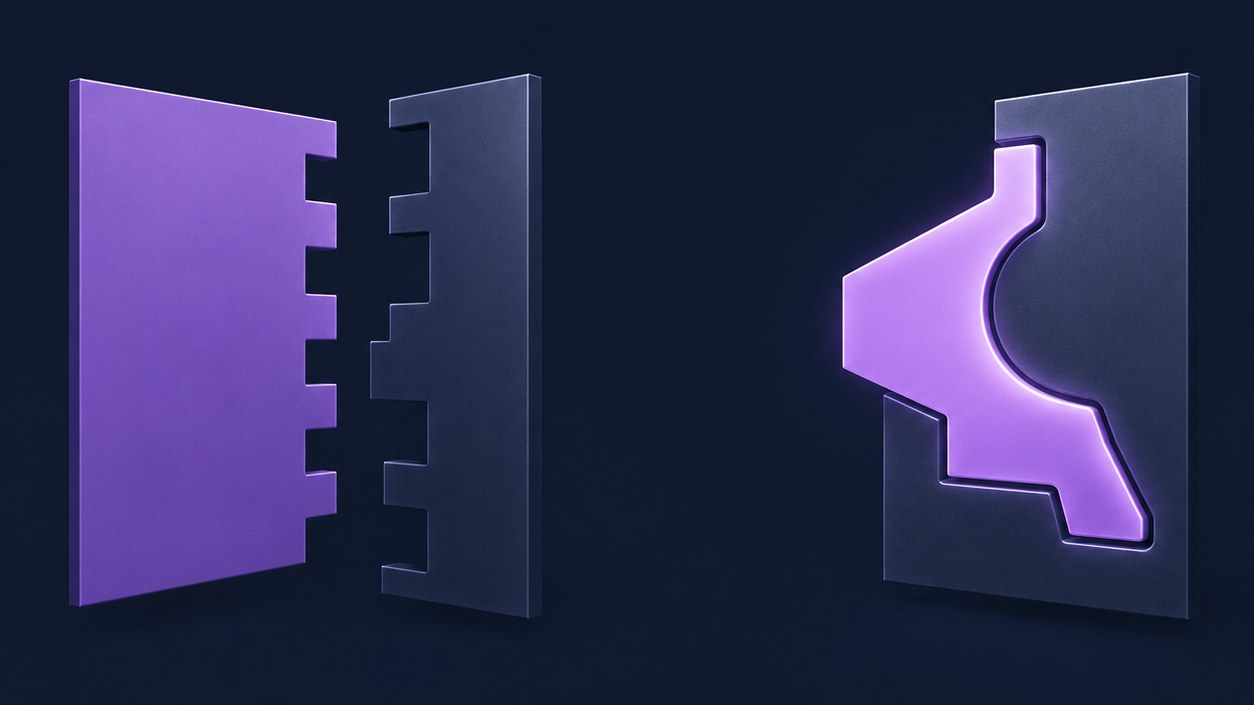
A system built with microservices is split into small, independent pieces, each responsible for a specific function—for example, one piece for invoicing, another for inventory, another for notifications. They talk to each other, but each one can be updated or restarted on its own without affecting the rest.
Monolith or microservices: the real difference
A monolithic system is a single application where every function lives together and depends on the others to work. It's simpler to build and maintain at first, but as it grows, a change in one part can affect the entire system, and scaling a single function means scaling the whole system.
When they make sense for a growing business
Microservices make sense when a company already has a large system, with different teams working on different parts, and needs each part to grow, update, or scale without slowing down the others. They also make sense when some functions have very different usage peaks, such as invoicing at the end of the month versus lookups that happen every day.
When you DON'T need to complicate things
If your system is small, a small team maintains it, and none of its parts have very different scaling needs, a microservices architecture adds maintenance complexity without any real benefit yet. A well-built system, even a monolithic one, may be the simplest and right choice at this stage.
Further reading
If you want to understand how systems connect to each other in general terms, read How to integrate two systems.
Wrapping up: your next step
The right architecture depends on your actual scale, not on the trend of the moment. Book your technology assessment, or if you'd rather take a first step on your own, try the self-assessment.